Logan Business Owners Guide to Regular Storefront Sanitisation
A clean storefront is one of the most effective and least expensive ways to build customer confidence. For business owners in Logan, Queensland, regular sanitisation protects public health, supports compliance obligations, and shapes first impressions in busy retail precincts. This guide covers what to clean, how often, which products and methods work best, and how to build a routine that suits a local small business.
Why Storefront Sanitisation Matters in Logan
Logan is a large, diverse city with a mix of shopping centres, strip retail, industrial estates and neighbourhood hubs. Whether your shop is in Springwood, Beenleigh, Browns Plains, Logan Central, Shailer Park or Meadowbrook, your entrance is exposed to foot traffic, traffic dust, humidity, pollen and storms. Since 2020, customers have also expected visible hygiene standards, and that expectation remains in 2026.
Regular sanitisation delivers several benefits:
- Reduced germ transmission: Door handles, payment terminals and counters are touched by dozens or hundreds of people each day.
- Stronger brand perception: Clean glass, tidy entryways and fresh signage signal professionalism and care.
- Longer asset life: Removing grime, bird droppings, mould and mineral deposits prevents permanent staining and corrosion on glass, aluminium, tiles and paintwork.
- Fewer safety hazards: Clean, dry, debris-free walkways lower the risk of slips and falls, which can lead to claims.
- Better compliance: Food businesses and personal service providers have specific hygiene obligations that begin at the shopfront.
Understanding Cleaning, Sanitising and Disinfecting
These three terms are often used interchangeably, but they describe different processes. Using the right one in the right place saves time and money.

Cleaning
Cleaning removes visible dirt, dust and grease using detergent and water. It does not necessarily kill germs, but it is the essential first step because soil can shield microbes from sanitisers.
Sanitising
Sanitising reduces the number of bacteria and viruses on a surface to a level considered safe by public health standards. It is suitable for most customer-contact surfaces in retail settings.
Disinfecting
Disinfecting uses chemicals that destroy a broader range of pathogens and generally requires a specified contact time, meaning the surface must remain visibly wet for the period stated on the label. Disinfection is appropriate after a spill of bodily fluids or when a known illness risk has been identified.

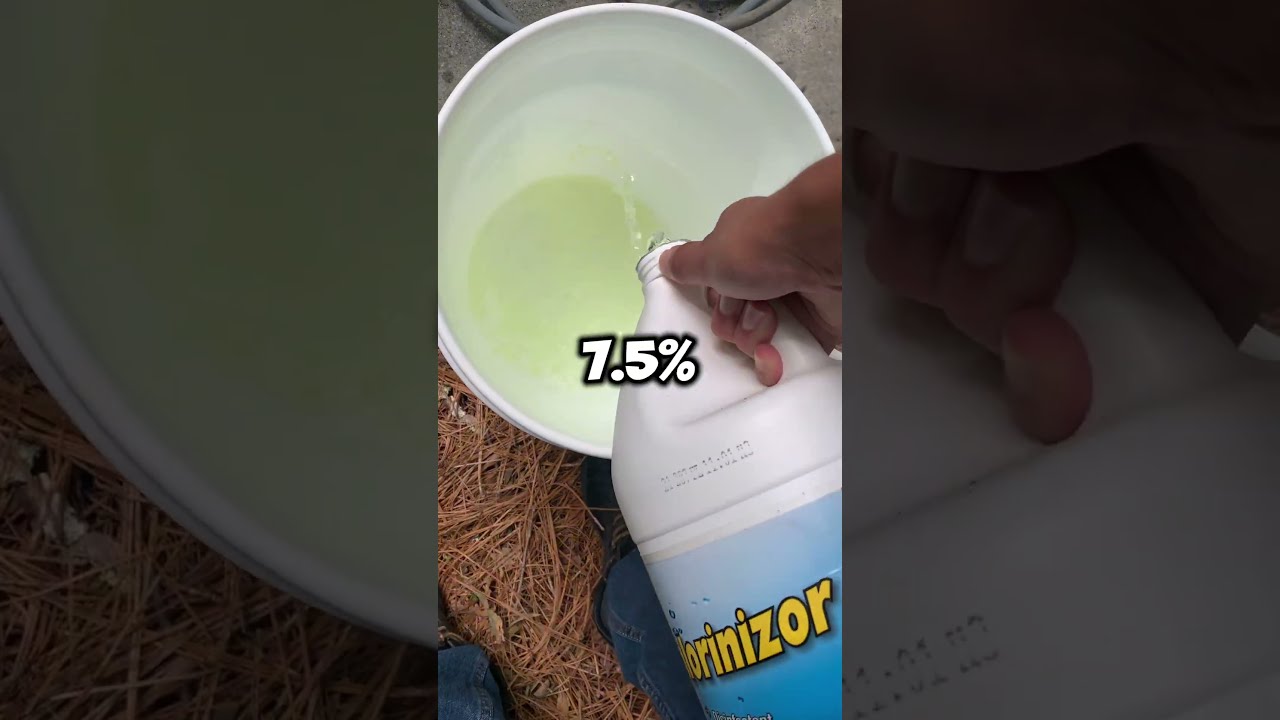
For most storefronts, the correct sequence is to clean first, then sanitise high-touch points, and disinfect only when a situation calls for it.
High-Touch Areas to Prioritise
Focus your effort where hands, bags and trolleys make the https://reidnlow553.vantagequill.com/posts/pressure-washing-vs-soft-washing-which-should-you-use most contact. Common priority areas at a Logan storefront include:
- Entry door handles, push plates and pull bars
- Automatic door sensors and intercom or call buttons
- EFTPOS terminals, tap-and-pay readers and pens
- Counters, service desks and trolley or basket handles
- Handrails and ramp rails at the entrance
- Display cases, shelving edges and testers
- QR code stands, menu holders and self-service kiosks
- Outdoor seating, tables and chair backs for cafés and eateries
Recommended Cleaning Frequency
The right schedule depends on foot traffic and the type of business. The following framework is a practical starting point that you can adjust to suit your premises.
Throughout the Day
Sanitise door handles, payment terminals and counters at regular intervals. In high-traffic stores, every one to two hours is reasonable. Quiet boutiques may manage with two or three rounds per day. Clear any rubbish, spills or leaves from the entrance as soon as they appear.
Daily Opening and Closing Tasks
Before opening, sweep or blow the entry area, wipe the glass door, and check for overnight debris, cobwebs and pest activity. At closing, clean and sanitise counters, empty bins and mop internal entry floors.
Weekly Tasks
Wash exterior windows and door frames, clean the doormats, wipe down signage, and scrub footpath areas that you are responsible for. Check drains and gutters near the entrance, especially during the wet season.
Monthly and Quarterly Tasks
Pressure wash paving or concrete, clean awnings and light fittings, inspect seals and tracks on sliding doors, and treat early signs of mould. A professional deep clean each quarter keeps the storefront in good condition and helps you catch maintenance issues early.
Step-by-Step Storefront Sanitisation Routine
- Prepare your supplies. Gather microfibre cloths, a squeegee, a bucket, detergent, an approved sanitiser, gloves and signage for wet floors.
- Remove loose debris. Sweep or vacuum the entrance, mats and door tracks so dirt does not turn to mud when wet.
- Clean surfaces with detergent. Wipe handles, glass frames, counters and rails using warm water and detergent to lift grease and grime.
- Apply sanitiser. Use a product suited to the surface and follow the label for dilution and contact time. Never mix chemicals, particularly bleach with ammonia-based or acidic cleaners.
- Clean the glass. Wash with a glass cleaner or a mild detergent solution, then squeegee from top to bottom for a streak-free finish.
- Dry and check. Make sure walkways are dry and safe. Place wet-floor signs where needed.
- Record the job. Note the time, the person responsible and any issues. A simple checklist on the back office wall is enough.
Choosing the Right Products and Equipment
Select products that are registered for their intended use and appropriate for the surface. In Australia, sanitisers and disinfectants making therapeutic claims are regulated by the Therapeutic Goods Administration (TGA), so check the label for an AUST L or AUST R number where relevant. Always read the Safety Data Sheet (SDS) for each chemical and keep these accessible to staff.
Practical product tips include:
- Use microfibre cloths, which capture more dirt and can be laundered and reused.
- Choose alcohol-based wipes or sprays for electronics and payment terminals, following the manufacturer's guidance to avoid damage.
- Use pH-neutral cleaners on stone, timber and coated metal to prevent etching or discolouration.
- Consider low-odour, biodegradable options for food businesses and shops with sensitive customers.
- Colour-code cloths and buckets, for example one colour for glass, another for counters and another for floors, to prevent cross-contamination.
Dealing with Logan's Local Conditions
South-East Queensland's subtropical climate affects storefront upkeep throughout the year. High humidity encourages mould and mildew on awnings, grout, door seals and shaded paving. Summer storms bring leaf litter, mud and debris, while dry spells leave fine dust on glass and signage. Birds, insects and flying foxes can also leave droppings that require prompt, careful removal.
To manage these local factors:
- Clean mould-prone areas early and improve airflow or drainage where water pools.
- Check and clear gutters and stormwater grates before the storm season.
- Wear gloves and a mask when removing bird or bat droppings, then disinfect the area.
- Use entrance mats to trap wet footprints and reduce the amount of dirt carried inside.
- Keep exterior lighting clean to maintain visibility and discourage pests drawn to dirty fixtures.
Compliance and Safety Considerations
Business owners in Logan should be familiar with the obligations that apply to their type of operation. Food businesses must meet requirements under the Food Act 2006 (Qld) and the Australian New Zealand Food Standards Code, including maintaining clean premises and fixtures. Local government rules administered by Logan City Council may apply to footpath use, outdoor dining, signage and waste management, so confirm what you are allowed to clean, place or wash down in public areas.
Under Queensland work health and safety laws, you must also provide a safe workplace. This includes training staff in safe chemical handling, providing suitable personal protective equipment, and ensuring correct storage of cleaning products. When cleaning outdoors, never let chemical runoff enter stormwater drains. Logan's waterways, including the Logan and Albert Rivers and their tributaries, are sensitive environments, and wash water containing detergents or sanitisers should be captured or disposed of correctly.
Building a Staff Sanitisation Culture
Even the best schedule fails without consistent execution. Make sanitisation part of standard operating procedures and assign clear responsibilities for each shift. Train new employees on products, dilution rates and contact times, and refresh that training periodically.
Practical Ways to Keep Standards High
Use a visible checklist with time slots and initials, and review it weekly. Provide hand sanitiser stations at the entrance and checkout so customers can contribute to a cleaner environment. Keep supplies fully stocked and easy to reach, because staff are more likely to clean when the tools are close at hand. Encourage employees to report damaged seals, cracked glass or recurring pest problems promptly.
When to Hire a Professional Cleaning Service
In-house routines handle daily upkeep, but professional services add value for tasks that need specialised equipment or training. Consider engaging a commercial cleaner in Logan for:
- High-reach window and façade cleaning
- Pressure washing of large paved or concrete areas
- Scheduled deep sanitisation using commercial-grade methods such as electrostatic spraying
- Graffiti removal and stain treatment
- Post-renovation or post-incident cleaning
When comparing providers, ask about insurance, staff training, the products they use, and how they manage wastewater. A reputable cleaner will supply a clear scope of work, flexible scheduling around your trading hours, and documentation for your records.
Trends Shaping Storefront Hygiene in 2026
Hygiene expectations continue to evolve. In 2026, more Logan businesses are adopting contactless entry and payment options to reduce touchpoints, antimicrobial coatings on high-contact surfaces, and eco-friendly cleaning products that lower environmental impact. Many owners are also using digital checklists and cleaning logs to demonstrate consistent standards. Looking toward 2027 and beyond, expect further growth in sustainable cleaning practices and smart monitoring tools that track foot traffic and prompt cleaning when thresholds are reached.
Final Thoughts
Regular storefront sanitisation is a practical investment in customer trust, staff wellbeing and the long-term condition of your premises. Start by identifying your high-touch points, set a realistic schedule, choose appropriate products, and train your team to follow a consistent routine. Pair daily in-house efforts with periodic professional cleaning, and account for Logan's subtropical conditions and local regulations. A clean, welcoming entrance helps your business stand out and gives customers a good reason to walk through your door and return.
Logan Pressure Cleaning
(07) 3106 8724